Custom boxes with personality.
Four structures, four ways to open a package. Explore the surface, the fit and the little details before you start designing.
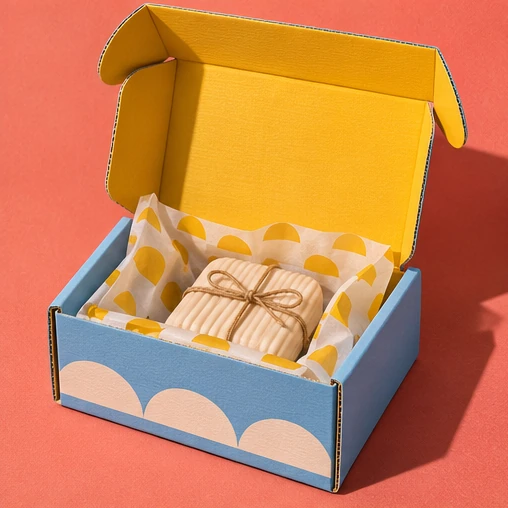 Mailer box
Box styles compared
Find the structure that suits the journey.
Mailer boxes
A single-piece corrugated mailer that folds around the product and opens like a small stage.
Explore collection →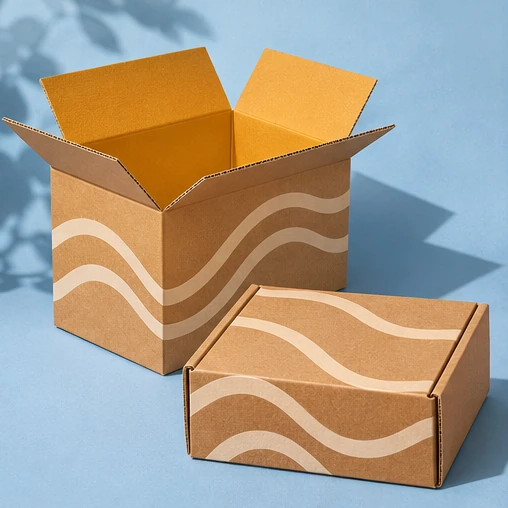
Shipping boxes
A classic four-flap shipper with a generous printable surface and room for protective packing.
Explore collection →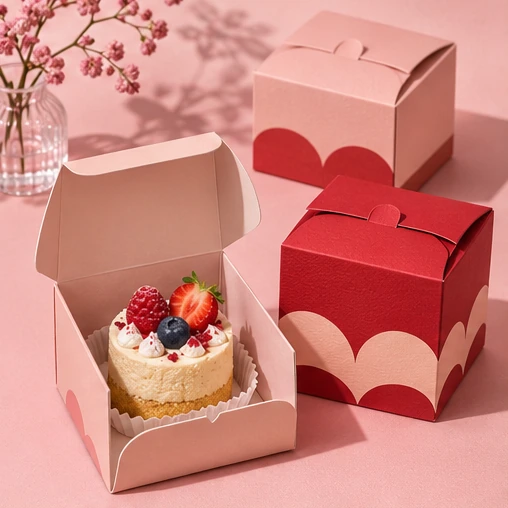
Folding boxes
A lightweight printed carton for the shelf, the counter or a little cake on its way home.
Explore collection →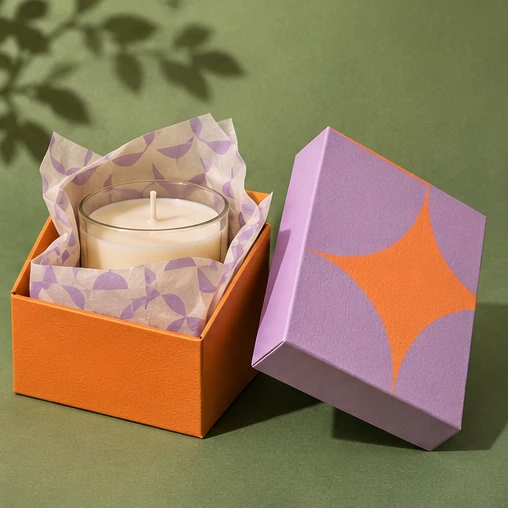
Rigid boxes
A wrapped two-piece presentation box with a lift-off lid and a deep, steady base.
Explore collection →Which box fits your product?
| Structure | Typical use | Material | Opening |
|---|---|---|---|
| Mailer | Subscription & e-commerce | Fluted corrugated board | Side wings lock into a double wall; the hinged top closes with a front tuck. |
| Shipping | Transit & distribution | Corrugated fiberboard | Four top flaps meet at a central seam; the filled box closes with tape. |
| Folding | Retail & bakery | Folding paperboard | A scored paperboard blank folds into a sleeve with tuck-in end panels. |
| Rigid | Gifts & presentation | Wrapped chipboard | Two separate wrapped trays slide together. The box stays assembled between uses. |
Planning questions
Which style should I choose?
Start with the journey. Folding cartons suit shelves and counters. Mailers open in one piece, shippers have four flaps, and rigid boxes make a two-piece presentation.
Can a folding carton hold a small cake?
Use the cake board and any insert when measuring the product. Include space above the decoration and confirm food-contact requirements with the packaging supplier.
How should I measure my product?
Measure the widest length, width and height of the packed product, including its insert. The dimensions in the studio describe the inside of the box.